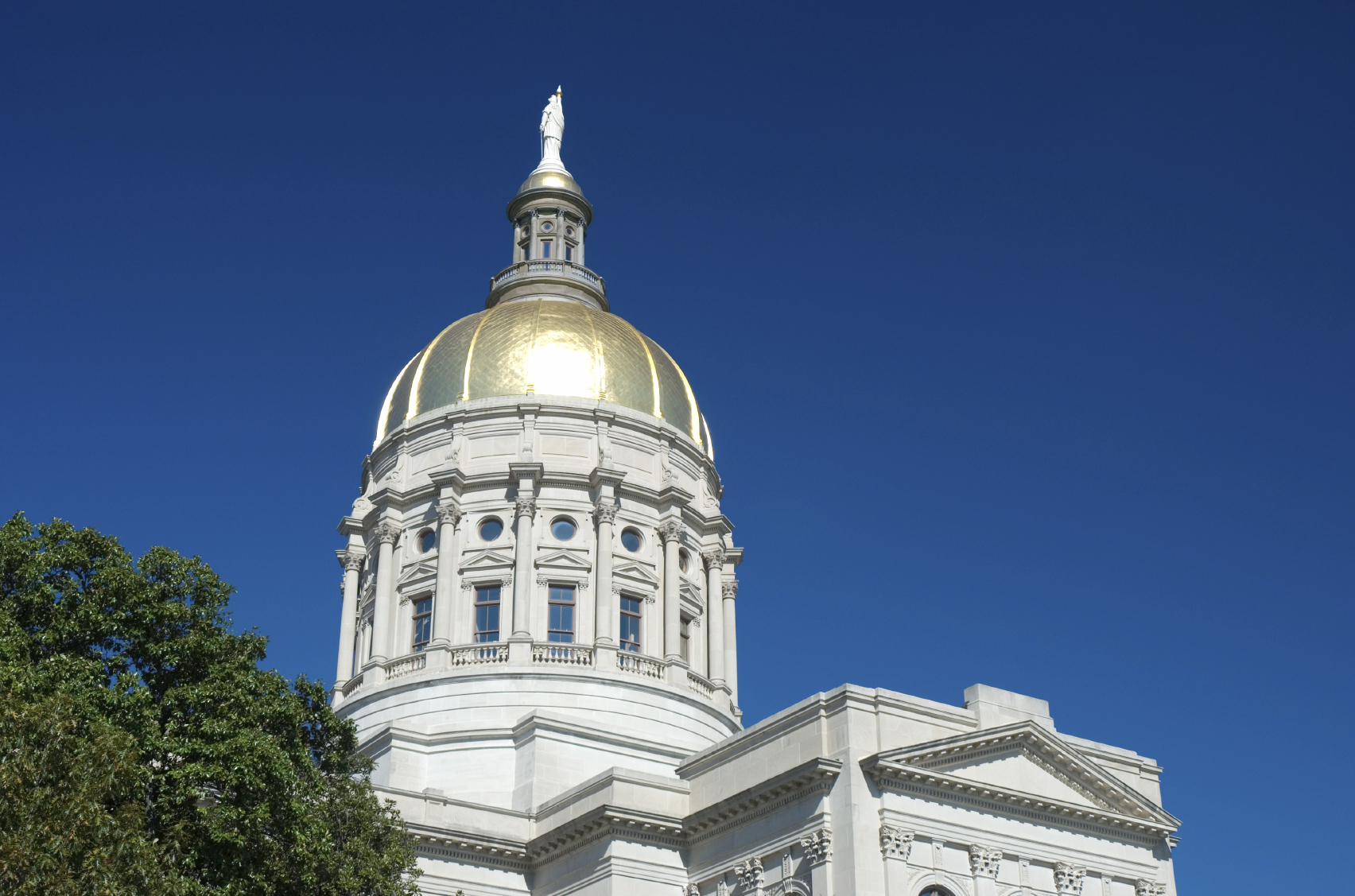
Governor Brian Kemp released his Amended Year 2026 (AY26) and Fiscal Year 2027 (FY27) budget proposals on January 14, 2026, officially beginning Georgia’s appropriations process for the 2026 legislative session.
Last week, state agency leaders presented their budget requests during joint appropriations hearings, setting the stage for House and Senate committees to craft their own versions of the budget over the coming weeks.
Health Care Items in the Governor’s Amended Year 2026 and Fiscal Year 2027 Budget Recommendations
Last updated: January 27, 2026
Note: These are the Governor’s opening proposals, not final budgets. The House Appropriations Committee’s subcommittees will hold more detailed hearings now. The subcommittees will share their amended and fiscal year budget versions, followed by the Senate’s proposals later in the session. Both chambers must pass their versions, reconcile differences, and send the final budgets to the Governor by Sine Die on April 2nd.
Amended FY 2026 Total State Budget: $42.268 billion
FY 2027 Total State Budget: $38.5 billion
Agency
Amended FY 2026 (AFY26)
FY 2027
Statewide
$611.76 million for a one-time $2,000 salary supplement for state employees, including teachers and University System staff.
—
Department of Community Health (DCH)
• $264.5 million increase for Aged, Blind, and Disabled Medicaid (enrollment growth and rising costs)
• $183.5 million decrease in Low-Income Medicaid state funds, offset by hospital provider fees
• $35 million for eligibility system upgrades and modernization (GHF priority!)
The budget continues shifting Medicaid costs from state general funds to hospital provider fees. The federal budget bill, H.R. 1, caps these fees at their current 3% rate, limiting Georgia’s ability to use this approach in the future. If Medicaid costs keep rising, the state will need to find other funding sources.
• $308 million increase for Aged, Blind, and Disabled Medicaid
• $33 million for Medicare Part B “hold harmless” protections, which cover the gap when Medicare premiums increase outpace Social Security cost-of-living adjustments for low-income seniors
• $11.2 million for the Medicare Part D Clawback, Georgia’s required annual payment toward prescription drug costs for people enrolled in both Medicare and Medicaid
• $2.1 million for 105 new primary care doctor training slots
• $122,000 for 8 additional caseworkers for the Katie Beckett program, which serves children with significant disabilities
Department of Behavioral Health and Developmental Disabilities (DBHDD)
• $14.2 million in one-time salary supplements for mental health staff
• $2.9 million for jail-based services to restore competency for people awaiting trial at Cobb County Jail
• $9.3 million for 404 new vouchers for the Georgia Housing Voucher Program (GHVP) to meet requirements of the U.S. Department of Justice (DOJ) Settlement Agreement. See note below. (GHF priority!)
• $5.3 million for crisis services ($2.4 million for mobile crisis teams, $2.9 million for the 988 Suicide & Crisis Lifeline)
• $5.5 million for disability waivers (100 new slots; however, more than 7,000 Georgians remain on waiting lists to receive a waiver)
• $1.1 million for the Gateway youth crisis unit in Savannah
Youth mental health funding keeps current services running, but does not add capacity despite growing need.
Investment in the Georgia Housing Voucher Program (GHVP) is a priority for GHF. The Governor’s budget recommendation is structured to meet federal requirements, not to expand access and support beyond what is legally required. Additionally, this funding represents a one-time investment, rather than a year-over-year increase in supportive housing for Georgians experiencing homelessness due to mental illness.
Department of Human Services (DHS)
• $41.5 million increase for foster care (more children in care and rising placement costs)
• $6.2 million to reduce errors in the Supplemental Nutrition Assistance Program (SNAP) and maintain federal compliance
• $46.4 million to make up for federal SNAP funding cuts (federal share drops from 50% to 25% under H.R. 1)
• $21.3 million for foster care growth
The SNAP backfill is likely the first of several budget impacts that we are seeing as a result of H.R.1, the July 2025 federal tax and budget bill. The state will need to replace reduced federal support for SNAP and other safety net programs for years to come.
Department of Public Health (DPH)
• $9 million in one-time salary supplements for county health department staff
• $2 million to expand the maternal home visiting program to 21 additional rural counties
A welcome investment, though small relative to Georgia’s high maternal death rates and the gaps in outcomes by race and geography.
Office of the Commissioner of Insurance (OCI)
• $25 million decrease in the reinsurance program based on expected costs
• Funding shifts from state general funds to fees paid by insurers participating in Georgia Access
Shifting the funding for Georgia’s reinsurance program entirely to insurer fees tied to marketplace enrollment would mean that any coverage losses from the expiration of enhanced premium tax credits would reduce reinsurance revenue. This makes state-led premium stabilization more critical.
• Continued shift from state funds to insurer fees for operations
Notable Absences
Marketplace affordability: No state funds to offset the loss of enhanced premium tax credits. Georgia Access enrollees faced an average 85% premium increase from 2025 to 2026. Older adults, rural residents, and middle-income families have been hit hardest.
Provider rate increases: No new Medicaid or behavioral health rate increases beyond current-year commitments. Low rates limit provider participation and make it harder for patients to find care. Reimbursement rate increases will be more difficult in future budget years because of H.R.1 cuts to Medicaid.
Public health workforce: One-time supplements do not fix the issues driving vacancies at county health departments.
Rural hospital sustainability: No direct investments despite the pressures mounting on rural hospitals due to the ePTC expiration and H.R.1’s changes to Medicaid financing.
What Happens Next
These are the Governor’s opening proposals, not final budgets. The House Appropriations Committee’s subcommittees will hold more detailed hearings now. The subcommittees will share their amended and fiscal-year budget versions, followed by the Senate’s proposals later in the session. Both chambers must pass their versions, reconcile differences, and send the final budgets to the Governor by Sine Die on April 2nd.
Advocate With Us At The Capitol!
Join These Advocacy Events During the Legislative Session
Each week during the legislative session, we’ll highlight legislative advocacy days hosted by our partner organizations. These events offer excellent opportunities to engage in lawmaking by meeting your legislators and advocating for critical health issues.
February 3 – Mental Health Parity Day at The Capitol, co-hosted by the Georgia Parity Collaborative, the Carter Center, and Georgians for a Healthy Future
February 4 – Cancer Action Day hosted by American Cancer Society Cancer Action Network
Please contact Anthony Hill at ahill@healthyfuturega.org if you have an advocacy event you’d like included in GHF’s legislative update.
We hope to see you at one or more of these impactful events!
GHF Has You Covered!
Stay up-to-date with the legislative session.
GHF monitors legislative activity on a number of critical consumer health care topics. Along with our weekly legislative updates and timely analysis of bills, here are tools to help you stay in touch with health policy under the Gold Dome.
Georgia residents have some of the highest medical debt in the country, and it could get worse
Ellen Eldridge
LISTEN: On average, Georgia has twice as much medical debt than the rest of the country, according to Georgians for a Healthy Future Executive Director Laura Colbert. GPB’s Ellen Eldridge…