Georgia: $375 Million in the Red

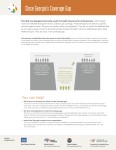
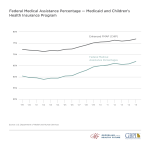
Thursday, July 1, was the start of Georgia’s 2011 State Fiscal Year, and we began already $375 million behind. The state legislative session which ended on April 29 saw dramatic budget cuts impacting education and other services for children and families. To add insult to injury, Georgia suffered yet another blow resulting from failure of the U.S. Senate to move forward the Federal Jobs Bill, which in part included a provision that would extend an enhanced FMAP to states for an additional 6 months. FMAP, which stands for Federal Medical Assistance Percentages, is a break down of how many Federal dollars Georgia receives to help pay for our state Medicaid program. Given the high unemployment rate and dire financial situations that families in the U.S. were facing, in last year’s Federal Stimulus Bill, Congress instituted an increase in Federal match dollars to all states to help keep their respective Medicaid programs afloat.




Read more →

Tobacco Tax Helps Budget, Children

This commentary originally appeared in the Atlanta Journal-Constitution.

As the 2010 legislative session opened, Georgia faced a dilemma: With a sluggish economy and unemployment hovering over 10 percent, there is a spike in the need for safety net services at the very time that state revenues are sagging.


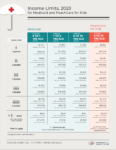
Severe budget deficits threaten essential services such as Medicaid and PeachCare for Kids, which serve as lifelines to low-income families who might otherwise be uninsured in this difficult economic climate.


One potential solution is an increase in the state’s tobacco tax, currently one of the lowest in the nation, which could have the dual effect of reducing smoking rates and generating revenue to preserve necessary health services.


Read more →

CLASS Act

By Georgia Council on Developmental Disabilities

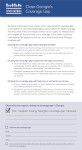
The national health reform legislation moving through Congress includes provisions that would impact people with disabilities. The CLASS Act, for example, is incorporated in the current legislation. What would the CLASS Act do?  The Community Living Assistance Services and Supports Act (CLASS Act) would offer a meaningful non-means-tested complement to the Medicaid program with a focus on helping individuals overcome barriers to independence that they may confront due to severe functional impairments.  It would create a new national insurance program to help adults who have or develop severe functional impairments to remain independent, employed, and stay a part of their community.  Financed through modest voluntary payroll deductions (with opt-out enrollment like Medicare Part B), this legislation would help remove barriers to choice and independence (e.g., housing modification, assistive technologies, personal assistance services, transportation) that can be overwhelmingly costly, by providing a cash benefit to those individuals who need support for basic functions.  The large risk pool to be created by this approach would make added coverage affordable.  It would give individuals added choice and access to supports without requiring them to become impoverished to qualify for Medicaid. You can learn more about the Georgia Council on Developmental Disabilities’ health care agenda here.

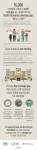
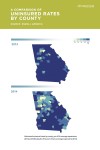
More than 1.6 million Georgians are uninsured.Source: Georgia Health Policy Center
Health insurance premiums grew 6.4x faster than earnings over the past decade.Source: Families USA
Georgia’s infant mortality rate is among the worst in the nation.Source: KidsCount
Georgia ranks in the bottom quartile of states on overall quality.Source: New American Foundation
More than 1 million Georgians don't see a doctor due to the cost.Source: BRFSS data
Millions of Georgians are at least two hours away from trauma care.Source: GA Statewide Trauma Action Team

Contact GHF

place

100 Edgewood Avenue
Suite 815
Atlanta, GA 30303

Phone: 404-567-5016
Fax: 404-935-9885
E-Mail: info@healthyfuturega.org

Connect on Facebook

Connect on Twitter

twitter
© 2009 Georgians For a Healthy Future | All Rights Reserved